
 Find a doctor
  Contact us


“I am very happy for the children of Armenia. They are receiving excellent care from the Yeolyan Hematology and Oncology team,” — Paul-Gerhard Schlegel
How Was the Bone Marrow Transplant Program Established in Armenia? An Interview with Paul-Gerhard Schlegel
Our interviewee is German pediatric hematologist-oncologist Professor Paul-Gerhard Schlegel, an internationally recognized specialist in pediatric hematopoietic stem cell transplantation (HSCT) and cellular therapy. For many years, he headed the Department of Pediatric Hematology, Oncology, Stem Cell Transplantation, and Cellular Therapy departments at the University Children’s Hospital of Würzburg, Germany. Under his leadership, a modern transplantation center was established, new methods of allogeneic transplantation were introduced, and later CAR-T cell therapy was implemented as well.
We spoke with Professor Schlegel about the development of pediatric oncology in Armenia, innovative treatment approaches, and the professional qualities of Armenian specialists.
— How did your collaboration with Armenia and the Yeolyan Hematology and Oncology Center begin?
The story began quite a long time ago. About fifteen years ago, we regularly treated children from Armenia in Würzburg, although we had no direct connection with Yerevan at the time. Then, in 2021, several children came to Würzburg again, and I felt that we should establish contact with our colleagues here in Armenia, which we successfully did.
At that time, Dr. Medea played an exceptionally important role, as she initiated the connection. In 2021, we began holding regular Zoom meetings with the oncology board. Our colleagues prepared complex clinical cases, we discussed them together, and jointly explored the best possible ways to help the children.
— Do you remember your first meeting with the Armenian medical team? What impression did they leave on you?
I was deeply impressed by the professionalism of our colleagues. I must also say that I was surprised by how many of them had already completed training abroad and, most importantly, had returned to Yerevan to build something new.
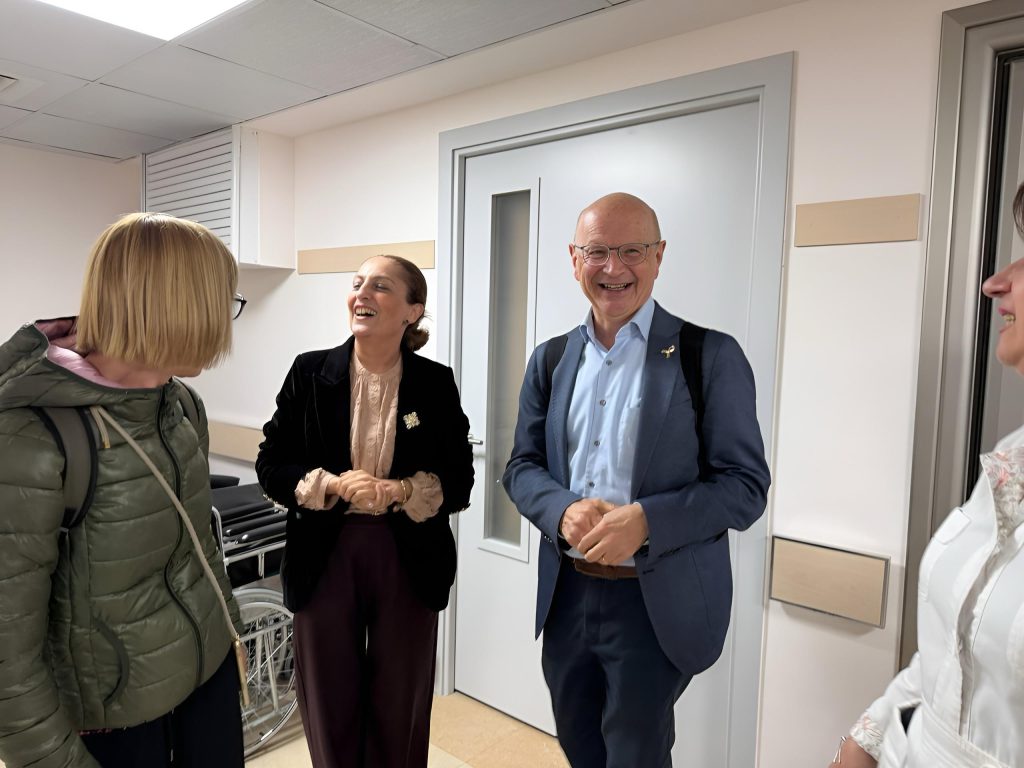
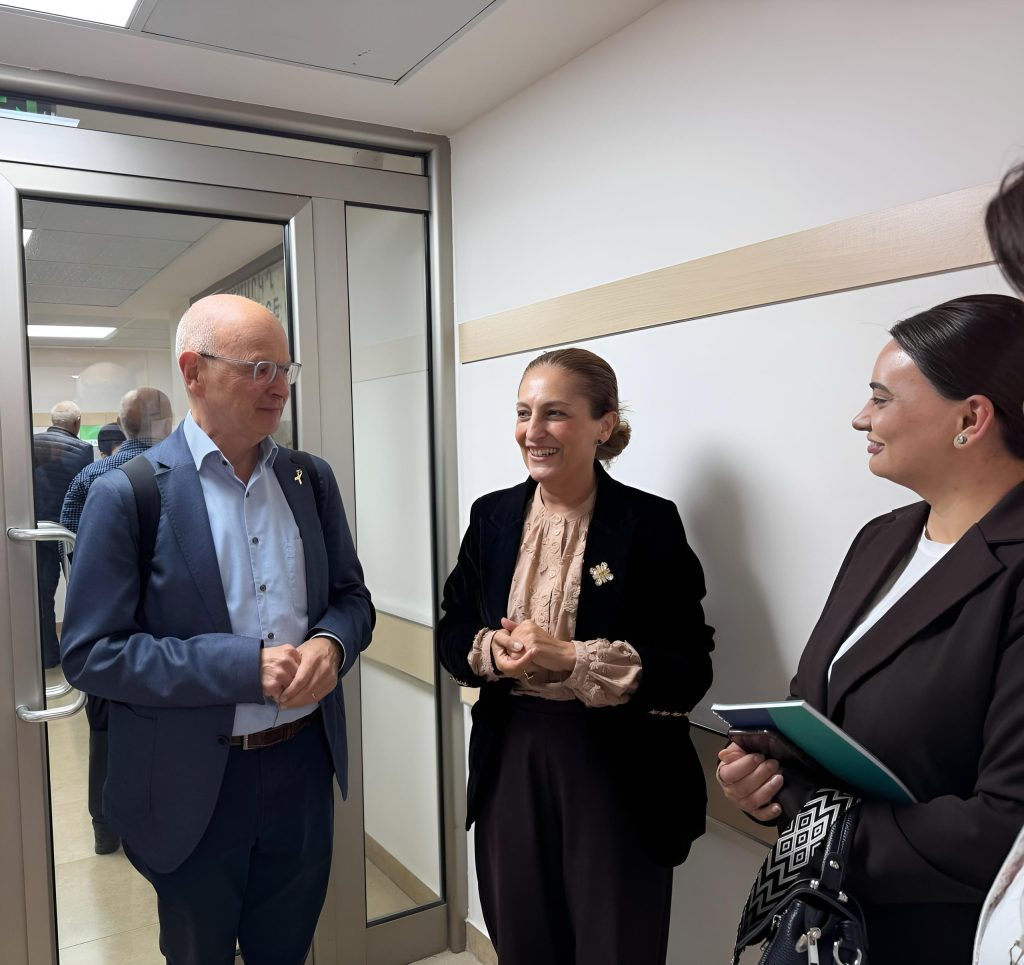
Not only in Germany, but also in the United States, France, Japan, Korea, and China — they studied, trained, and came back. Then I saw a core group of six to eight young specialists who were highly motivated, exceptionally intelligent, and, as we say in English, deeply dedicated. By dedicated, I mean that they invest not only their professionalism into this work, but their entire being — their heart as well. I also witnessed strong teamwork and excellent communication within the team. This impressed me so much that I said, “I want to come to Yerevan.” I first visited in May 2021, and the visits have continued every year since. Last year, we organized a reciprocal visit and held a symposium in Würzburg, inviting our Armenian colleague. This year, I have returned, and I would very much like to continue this tradition. My wife and I truly enjoy being here in Yerevan.
— Why did you decide to become involved specifically in projects in Armenia?
We truly appreciate the spirit here. It is a spirit of unity. We want to develop something together for children and for the future of the country. Ultimately, we are all lifelong learners. I also learn something new every time I travel somewhere new. We want to work together to create a better future for children facing very serious illnesses. I feel that spirit here, and it is wonderful.
— What were the main challenges in establishing the bone marrow transplant program in Armenia?
Excellent oncology care had always been provided at the center. However, when it came to transplantation, children had to be sent abroad for treatment. Eventually, the decision was made to treat children locally, which required careful preparation, proper patient selection, and a strong multidisciplinary team.
The team was assembled, the infrastructure was available, and the preparation and technologies were in place. We then invited one of the specialists to Würzburg to once again review every aspect of transplantation in detail. The specialist visited our center and studied all the opportunities available in Würzburg. After that, we did something truly unique. Together, we discussed the first patient’s case in depth — the diagnosis, disease stage, conditioning regimen, required therapy, donor selection, and possible complications. Following this preparation, the team began its work. Today, everything is progressing very well.
We remain in contact from time to time regarding specific clinical questions. I am simply very happy for the children of this country that they are receiving such outstanding care from this team. I am grateful for that.
— In your opinion, what is the level of professional training among Armenian hematologists and oncologists?
They are highly experienced, particularly in clinical practice. They are familiar with the latest protocols from the United States and Europe. They carefully determine which protocol is most appropriate for each child in every situation.
They consistently participate in conferences, keep up with the latest medical literature, and they are young, dynamic, and intellectually curious. That is wonderful. I have been a pediatrician since 1988, for a very long time, and I have learned that success depends on several components. Infrastructure is important, as are external support, government funding, and private donations. But above all, the most important factor is people — their training, their experience, and especially their motivation and heart.
When all of these elements come together, the future looks bright.
— What surprised you most about the work culture of Armenian physicians?
I have traveled to many countries, and Armenia is one of the countries that gained independence after the dissolution of the Soviet Union in the 1990s. I am also familiar with other post-Soviet countries. What I experience here is a unique spirit. It is curiosity — the constant desire to learn something new. It means being willing to leave behind outdated approaches and adopt new ones because they are better and lead to a better future.
I feel this motivation here. It exists in every member of the team, and that is remarkable.
— Can we say that the treatment methods used at the Yeolyan Hematology and Oncology Center meet internationally accepted standards?
Yes, absolutely. And this is thanks to the team.
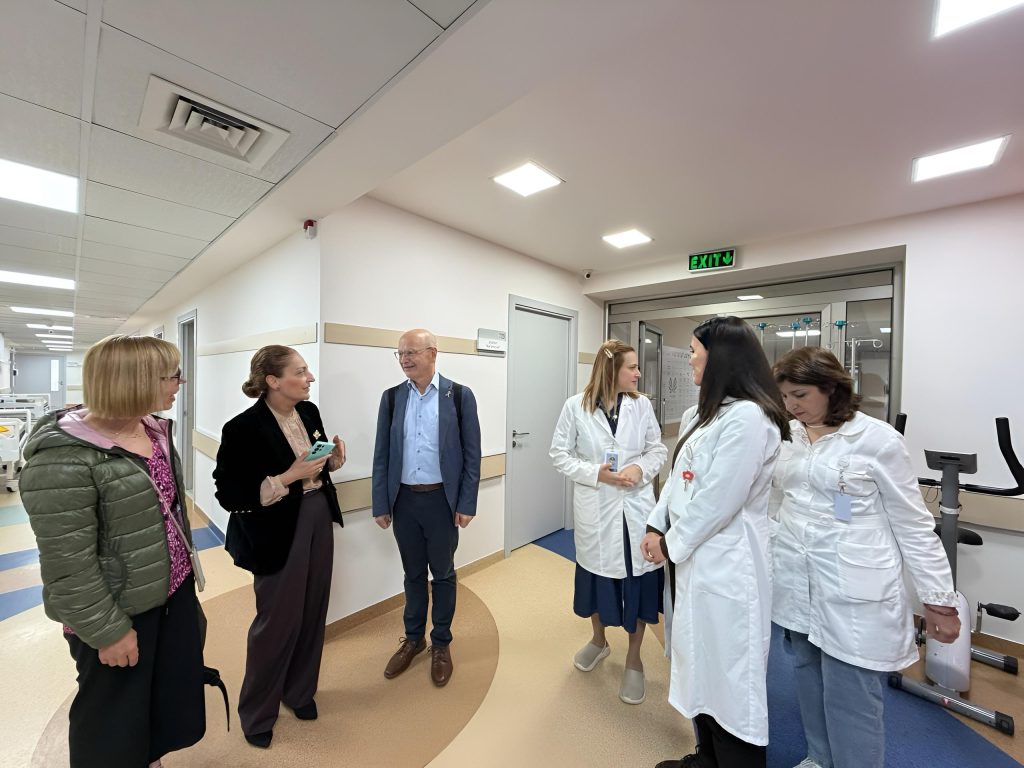
My wife and I visit approximately once a year, and what is remarkable is that every time we come, we see something new. At one point, for example, there was a palliative care department; now there is a newly renovated building. Every year, something new is added and developed. We would certainly like to continue visiting Armenia at least once a year.


